Voting Guide
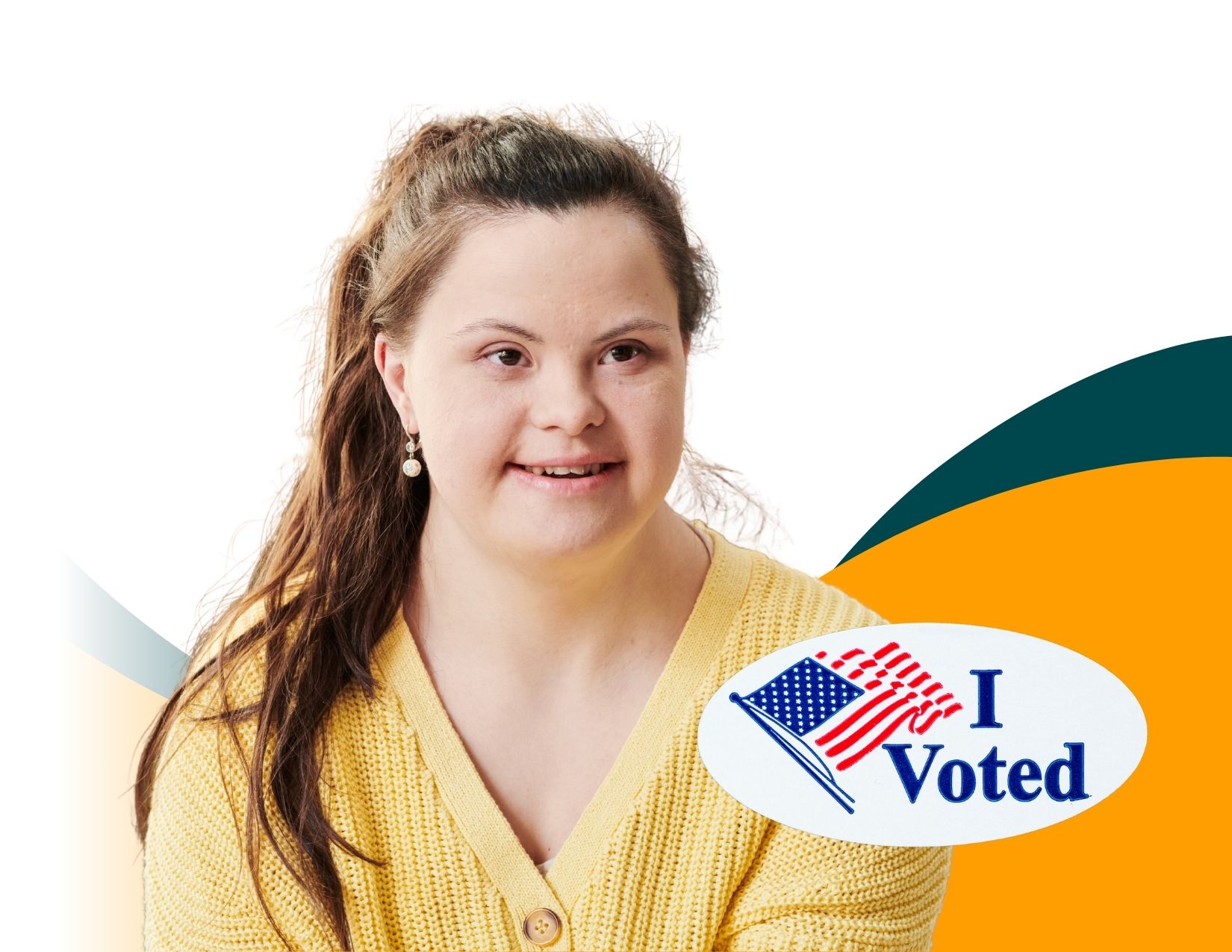
People with Autism and other intellectual and developmental disabilities can vote. You can still vote even if you have a conservator. This guide can help you learn about your voting rights. Register to vote, prepare, and choose the supports that work for you.
Help with Registering to Vote
Riverside County Registrar of Voters
San Bernardino County Registrar of Voters
Can I Vote?
Having a conservator does not automatically take away your right to vote.
Voting is not one of the seven powers that can be given to a limited conservator.
Yes! People with Autism and other intellectual and developmental disabilities can vote.
You can still vote if you:
- Receive services from a Regional Center
- Have a conservator
- Live in a group home or supported living
- Need help or accommodations to register or vote
Yes, you may still have the right to vote. Having a conservator does not automatically take away your right to vote.
For people with developmental disabilities who have a limited conservatorship, voting is not one of the seven powers a conservator can be given.
Only a court can take away your right to vote. If you’re unsure, you can check your status and feel reassured about your voting rights.
If you are not sure, you can check. You or someone helping you can:
- Call your County Elections Office and ask about your voting eligibility.
- Ask your Regional Center Service Coordinator to help you check.
- Ask your conservator or the attorney who helped with your conservatorship.
- Contact the court and ask for a copy of the most recent order about your voting rights.
| Need Help? Contact: | |
|---|---|
| Riverside County Registrar of Voters (951) 486-7200 voteinfo.net |
San Bernardino County Registrar of Voters (909) 387-8300 elections.sbcounty.gov |
How Do I Register to Vote?
You can get help. Getting help does not take away your right to vote.
Registering to vote means signing up, so you can vote in an election.
In California, you can register:
- Online: visit the California’s Register to Vote website
- By mail: fill out a Voter Registration Card
- In person: at your County Elections Office, DMV, public library, or post office
- With help from your Regional Center if you need help registering
The regular deadline to register is 15 days before Election Day. If you miss the deadline, you may still be able to register and vote.
You can still apply to register to vote even if you do not have a California driver’s license or California ID card.
You may need to complete additional steps to finish your registration.
You may need to update your voter registration if you:
- Move residence
- Change your name
- Want to change your political party preference
Yes! You can ask for help. A family member, friend, caregiver, or another person you trust can help you register. Your Regional Center can also help you register to vote. Ask your Service Coordinator if you need help.
Someone helping you can:
- Help you get a Voter Registration Card
- Read or explain the form
- Help you fill out the form
- Help you use the online registration website
- Help you find answers to your questions
You can check your voter registration online. You can see if you are registered and review information such as your name, address, and political party preference.
Click here to check your voter registration status
If you need help, you can also contact your County Elections Office:
| Need Help? Contact: | |
|---|---|
| Riverside County Registrar of Voters (951) 486-7200 voteinfo.net |
San Bernardino County Registrar of Voters (909) 387-8300 elections.sbcounty.gov |
You may still be able to register and vote! California has Same Day Voter Registration. If you miss the regular 15 day registration deadline, you can register and vote at your County Elections Office, a Vote Center, or an eligible polling place through Election Day.
If you are not sure where to go, contact your County Elections Office:
Riverside County: (951) 486-7200 | voteinfo.net
San Bernardino County: (909) 387-8300 | elections.sbcounty.gov
How Do I Get Ready to Vote?
Your vote is your choice. You can get help registering, preparing, or voting. Getting help does not take away your right to vote.
Someone can help you understand or mark your ballot, but you decide who you want to vote for and what you want to vote for.
Before you vote, learn about the people running for office and what they want to do. Your choices are yours, and understanding helps you feel empowered.
Ways to learn more:
- Read simple summaries online
- Look at voter guides you receive in the mail
- Watch videos about the candidates and issues
- Ask someone you trust to help you understand the information
- Use California’s Official Voter Information Guide
Your political party and voting choices are your decision. The Regional Center cannot tell you which political party to choose, discourage you from registering to vote, or make you think that registering or not registering will affect your services.
Someone can help you understand the information, but your choices are yours.
Yes! Looking at your ballot ahead of time can help you feel prepared.
Active registered voters in California receive a ballot by mail. You can look through it at home and take your time learning about the candidates and issues before deciding how you want to vote.
You can:
- Read your ballot ahead of time
- Learn about candidates and propositions
- Ask someone to explain information you do not understand
- Make notes about your choices
- Bring your notes if you vote in person
You do not have to make all your decisions at the voting place.
A voting plan can help you know what to expect and what you may need to vote.
1. Decide how you want to vote.
You can vote:
- By Mail: Fill out your ballot at home and return it by mail, at a ballot drop box, or at a voting location.
- Early In Person: Vote at an available voting location before Election Day.
On Election Day: Go to a voting location on Election Day.
2. If you are voting in person, make a plan.
Ask yourself:
- Where will I vote? Find your voting location before you go.
- When will I go? Find out when the location is open and choose a time that works well for you.
- How will I get there? Plan your transportation.
- Do I want someone to come with me? Consider whether having someone you trust with you would help.
- What will help me feel comfortable? You may want headphones, a fidget, communication support, or another item that helps you.
- Do I know how I want to vote? Review your ballot ahead of time and bring notes if that helps.
You can choose the support and accommodations that work best for you.
You may want:
- A support person to come with you
- Help reading or marking your ballot
- Accessible voting equipment
- Curbside voting
- Sensory supports, such as headphones or a fidget
- Your communication device or other communication supports
- Your voting plan or notes
California voting locations provide accessible voting machines, curbside voting, and assistance for voters who need help marking a ballot.
How do I choose what might help?
Think about what makes voting easier for you. Questions you can ask yourself:
Are busy or noisy places hard for me?
→ I may want headphones, a calming item, a support person, or to vote from home.
Do I need help reading or marking my ballot?
→ I may want a person I trust to help me.
Would I feel more comfortable if someone came with me?
→ I can plan to bring a support person.
Is getting into or around a voting location difficult?
→ I may want curbside voting or accessible voting equipment.
Would using my own computer or assistive technology make voting easier?
→ Remote Accessible Vote-by-Mail may work for me.
Choose what works for you. You do not have to use any support or accommodation.
If I want a support person to help me vote
You can bring someone you trust to help you vote. If you need help marking your ballot, California allows you to choose up to two people to assist you, with limited exceptions.
When you check in at the voting location, you can tell the election worker: “I need this person to help me vote.”
The election worker will tell you and your support person what to do next.
Your support person can help you:
- Read the ballot
- Understand how to mark the ballot
- Use the voting equipment
- Mark the ballot if you need help
Your vote is still your choice. A person who assists you must keep your voting choices private.
Plan Ahead: If you know you want a support person, ask them before you vote and add their name to your voting plan.
If voting at home works better for me
You can use your vote-by-mail ballot.
Voters with disabilities can also use Remote Accessible Vote-by-Mail (RAVBM). RAVBM allows you to access and mark your ballot using compatible technology on your computer or tablet. You then print your selections and return them. Your ballot selections are not submitted online.
Knowing what to expect can help you feel prepared. Every voting location may look a little different.
Before You Go
Before you go bring:
- Your voting plan or notes
- Headphones, a fidget, communication supports, or other items that help you
- Your support person, if you want someone to help you
When You Arrive
1. You may need to wait in line. Other people may be waiting to vote. The line may be short, or you may have to wait. If waiting or being around a lot of people is difficult for you, use the supports that help you, such as headphones, a fidget, or your support person.
While you are waiting:
- Do not talk to other voters about who or what they should vote for.
- Do not wear or display clothing, buttons, signs, or stickers with a candidate’s name, image, or logo that support or oppose a candidate or ballot measure.
- You can use your phone, headphones, fidget, communication device, or other support that helps you while you wait, as long as you follow the rules at the voting location.
2. Check in. Tell the election worker your name. They will help you check in.
3. Ask for help if you need it. If you brought someone to help you vote, you can say: “I need this person to help me vote.” You can also ask an election worker for help.
4. Get your ballot.
Depending on the voting location, you may use a paper ballot or accessible voting equipment. California polling places and voting centers provide accessible voting machines.
5. Vote.
Take the time you need. If you need help reading or marking your ballot, you can ask for assistance.
6. You’re done! You Voted!
Voting is one way to make your voice heard and take part in your community.
Want More Information About Voting?
Your Vote Counts: A Self-Advocate’s Guide to Voting in the U.S. from the Autistic Self Advocacy Network is available in Easy Read and Plain Language versions. The Easy Read edition also uses pictures, larger text, and more white space.
Your Vote Counts: A Self-Advocate’s Guide to Voting in the U.S.
Autism Society Options Policy
This Resource Guide was developed to provide families and professionals with an opportunity to find resources related to Autism in the Inland Empire in one place. All information provided or published by the Autism Society Inland Empire is for information purposes only. Specific treatment, therapy or services should be provided to an individual only at the direction of the individual’s doctor, caregiver, or other qualified professional. References to any treatment or therapy option, program, service, or treatment provider are not an endorsement by the Autism Society Inland Empire. References of treatments, therapies, programs, services, and/or providers are not intended to be comprehensive statements. You should investigate alternatives that may be more appropriate for a specific individual. The Autism Society Inland Empire assumes no responsibility for the use made of any information published or provided. The Autism Society Inland Empire provides information, but it does not constitute medical or legal information. Referrals provided are suggestions to organizations that might help, but do not constitute a recommendation. The Autism Society Inland Empire cannot be held responsible for consequences that arise from individual dealings with a professional or organization. The inclusion of any organization does not imply endorsement, and omission does not imply disapproval. The Autism Society Inland Empire may add or remove organizations from this list at its discretion.