Augmentative & Alternative Communication (AAC)
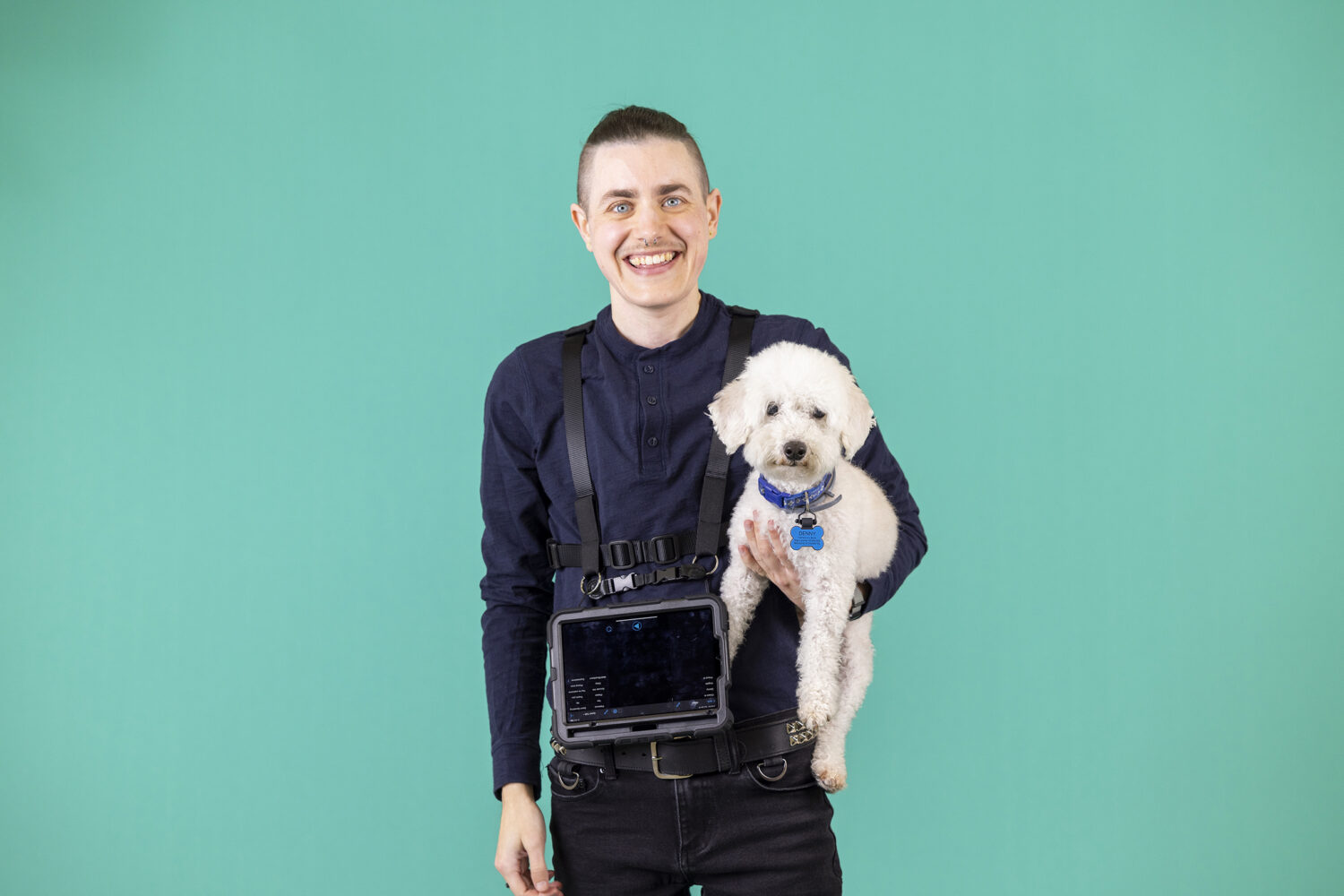
Research continues to show that a significant portion of the autistic community communicates in ways other than spoken language. Current estimates indicate that approximately 25–35% of autistic individuals have little to no functional speech, with adult studies commonly reporting that around one‑third of autistic adults are nonspeaking or minimally speaking.
Importantly, being nonspeaking does not mean a person cannot communicate. Many individuals communicate effectively using nonverbal methods, including gestures, facial expressions, writing, and augmentative and alternative communication (AAC) such as visual supports, picture‑based systems, or speech‑generating devices. Research consistently shows that AAC supports communication, autonomy, and quality of life across the lifespan
Augmentative and alternative communication (AAC) refers to communication methods that help or replace spoken or written language for individuals who struggle to produce or comprehend it. AAC includes simple systems such as pictures, gestures, and pointing, as well as more complex techniques involving computer technology. The goal of AAC is to achieve the most effective communication possible for the individual, maximizing their potential and enabling the highest quality of life possible.
Augmentative and Alternative Communication (AAC) can be especially important for individuals with Autism who have complex care needs because it supports communication, autonomy, and safety across medical, daily living, and community settings. In complex care situations, effective communication is essential for:
- Health and safety – sharing pain, symptoms, medication side effects, or changes in well‑being
- Medical decision‑making – asking questions, understanding care, and participating in choices
- Emotional regulation – reducing frustration and distress when needs are understood
- Independence and dignity – communicating wants, boundaries, and personal priorities
- Consistency across environments – supporting communication at home, in clinics, hospitals, work, or the community
AAC is not a “last resort” or a replacement for speech—it is a communication support that honors different communication styles and ensures that adults with Autism can be heard, understood, and respected, particularly when care needs are complex or change over time.
Additional Information:
AAC and Autism: Using Communication Devices for Non-Verbal Children. Speech and Language Kids.
https://www.speechandlanguagekids.com/giving-voice-non-verbal-children-autism-aac-autism/
Augmentative and Alternative Communication (AAC). American Speech-Language-Hearing Association (ASHA).
https://www.asha.org/public/speech/disorders/AAC/
Augmentative & Alternative Communication (AAC)
AAC Connections – Southern California
www.aacconnections.org
Darlene Hanson is a national expert in Augmentative and Alternative Communication (AAC) and provides AAC assessments, speech‑language therapy, AAC intervention, training for communication partners, and comprehensive services for individuals who are non‑verbal, have limited communication, or use AAC. Therapy is available at home or via telehealth.
Autistically Inclined – Southern California
www.autisticallyinclined.com
(413) 329-6200
support@autisticallyinclined.com
Text-based communication, such as letterboards and keyboards, is taught to non-speaking individuals with Autism, their families, and providers, through both direct services and online training.
Ensemble Therapy
https://www.ensembletherapyservices.com/
Palm Desert – (760) 837-0033
Colton – (909) 388-2200
info@ensembletherapyservices.com
Supports individuals with communication impairments through alternative methods, such as devices or sign language.
Justine Sherman and Associates
http://www.justineshermanslp.com/
Claremont – (909) 626-0900
Monrovia – (626) 355-1729
Camarillo – (805) 504-2200
justine@justineshermanslp.com
A nonpublic agency that serves the speech-language, educational, and orofacial myofunctional needs of clients throughout the San Gabriel and Pomona Valleys.
Lucid Speech and Language Center
www.lucidspeech.com
25102 Jefferson Avenue, Suite D, Murrieta, CA| (951) 461-1190
11810 Pierce St., Suite 200, Riverside, CA Riverside | (951) 808-5850
27192 Newport Road, Suite 1, Menifee, CA |(951) 566-4444
Clinic features speech therapists specializing in augmentative and alternative communication, who can conduct AAC assessments for a wide range of devices. The clinic accepts most major health insurance plans and accepts credit card payments.
Sparkle Where Our Voices Shine
504 W. Baseline Road, Suite E, Glendora, CA|(626) 628-1246
1733 N. Riverside Ave., Rialto, CA |(909) 343-4005
12637 Hesperia Road, Suite C, Victorville, CA |(760) 546-6210
https://www.sparklewovs.org/
Provides Speech-Language Therapy services with a comprehensive and collaborative approach. Specializes in treating children with Autism and various disabilities and work with clients of all ages. Kaiser, Cigna, Aetna, LA Care and more accepted. Spanish-speaking staff available.
Wings Speech and Language Services
www.wingsspeech.com
Hesperia – (760) 981-1069
Ontario – (909) 390-1313
Speech pathologists are available to conduct AAC assessments, currently offered only at the High Desert location.